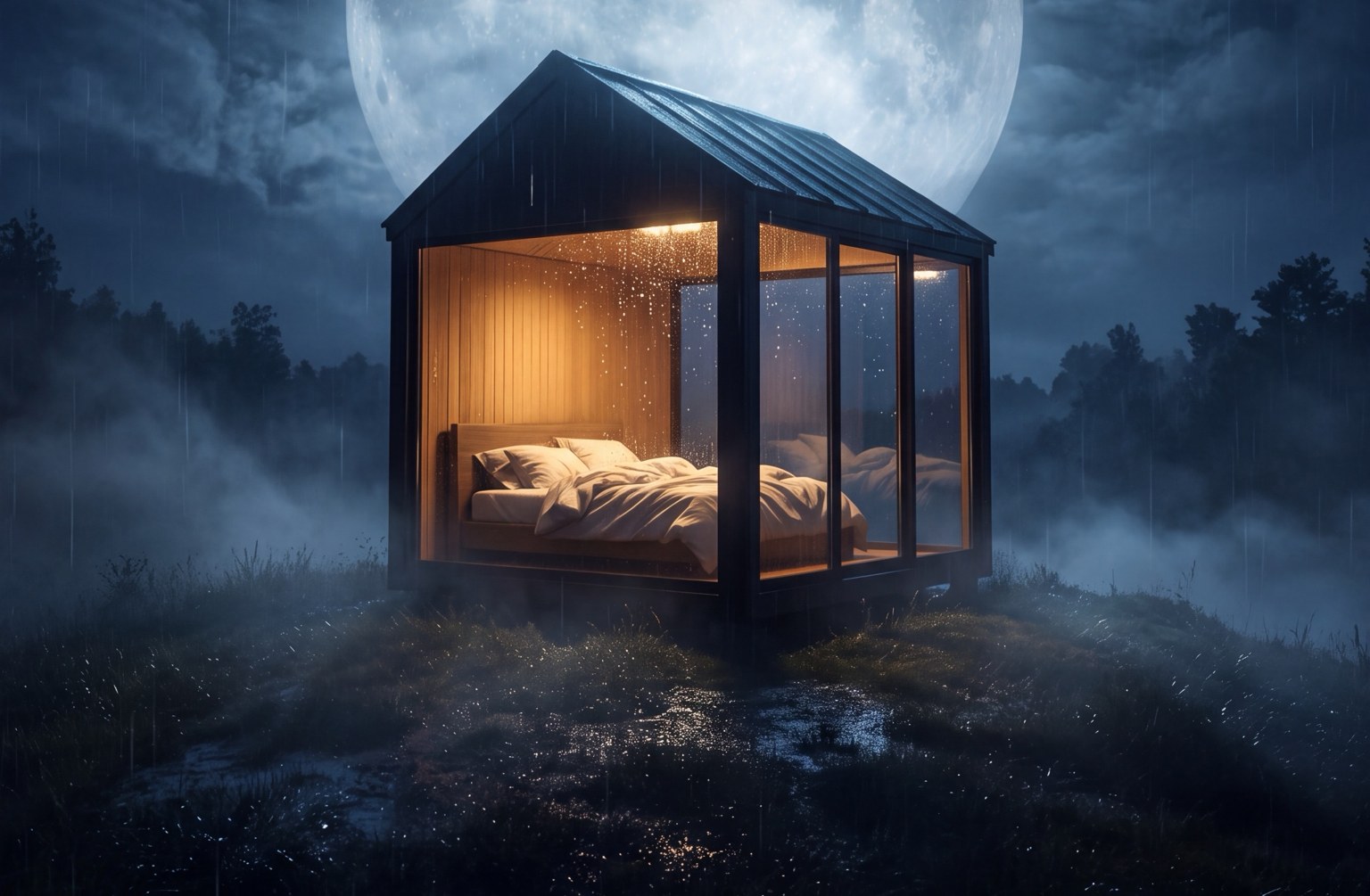
How to Fall Asleep Fast: 10 Sleep Tips That Actually Work
· 6 min read
Wondering how to fall asleep fast when your mind won't switch off? Good sleep rarely comes from one big change. It comes from a handful of small habits that tell your body, night after night, that it's safe to switch off. Here are ten that make the biggest difference, starting tonight.
1. Keep the same wake-up time, even on weekends
Your body clock loves routine. Waking up at the same time every day (yes, Saturday too) is one of the most reliable ways to start feeling sleepy at the same time every night. Most adults need at least 7 hours, so count back from your alarm to find your bedtime.
2. Get daylight in the morning
A few minutes of outdoor light soon after you wake helps set your internal clock. Even a cloudy Montreal or Toronto morning is far brighter than indoor lighting. Take your coffee by the window or walk around the block.
3. Watch the afternoon coffee
Caffeine can stay in your system for many hours. If you struggle to fall asleep, try having your last coffee, black tea or energy drink at least six hours before bed.
4. Keep your room cool, dark and quiet
A slightly cool room (around 16–19 °C) helps your body temperature drop, which is part of how you fall asleep. Use blackout curtains or an eye mask, and cover blinking lights on chargers and TVs.
5. Give yourself a 30-minute wind-down
Dim the lights, put the to-do list on paper and do something calm: a warm shower, stretching, a few pages of a book. Doing the same things in the same order becomes a signal for your brain that sleep is next.
6. Put the phone down (or at least away)
Scrolling keeps your mind busy and your thumb moving. Set your phone to Do Not Disturb, place it across the room, and if you're listening to sleep sounds, start the episode and let the screen go dark.
7. Use white noise or rain sounds to cover the noise that wakes you
Traffic, neighbours, a snoring partner, the furnace clicking on: sudden sounds are what pull you out of sleep. A steady background sound like rain, brown noise or an airplane cabin hum smooths those spikes out so they're less noticeable.
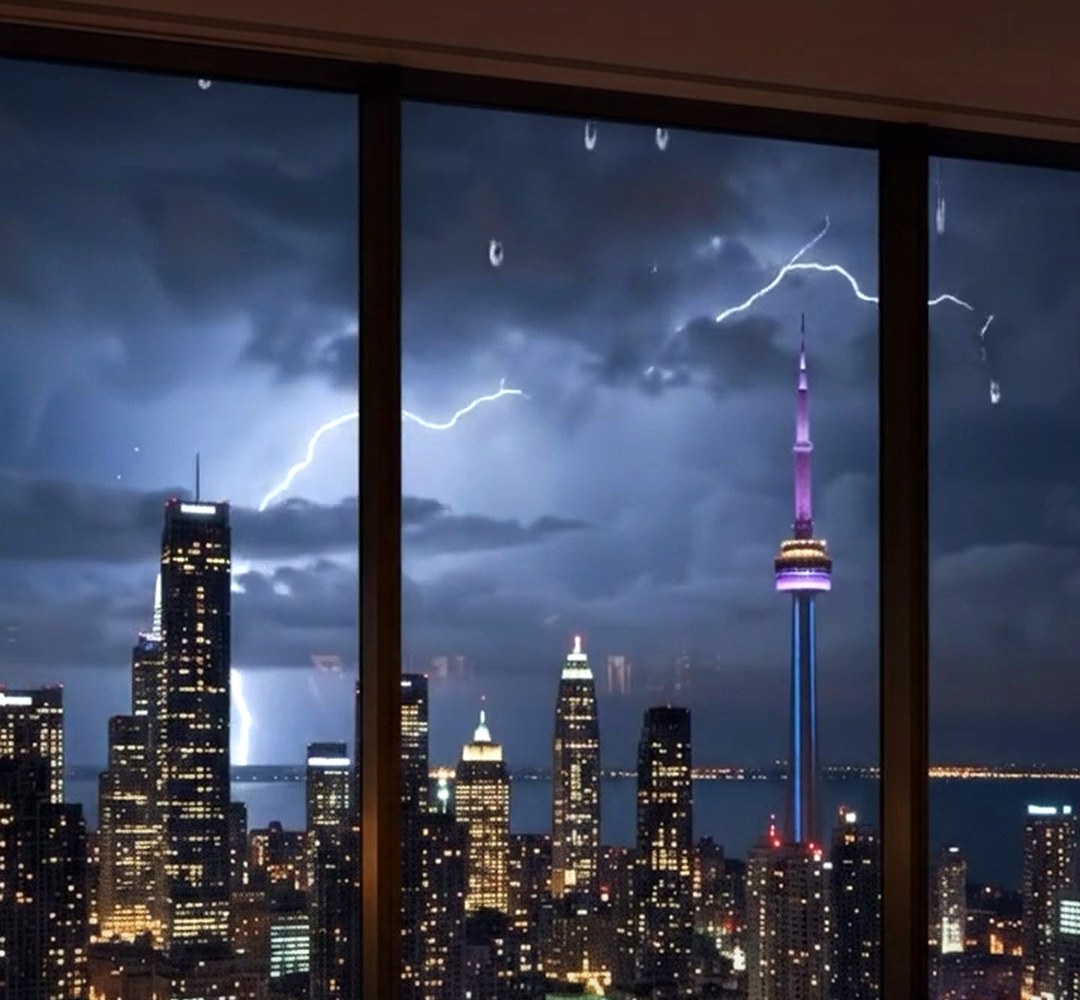
10 hours
Thunderstorm Over Toronto
Heavy rain on a penthouse window and soft, rolling thunder over the city, with no sudden loud cracks. Dark screen after the first hour.
8. If you can't sleep after about 20 minutes, get up
Lying in bed frustrated teaches your brain that bed is a place for worrying. Get up, go somewhere dim, do something boring and relaxing, and come back when you feel sleepy.
9. Be gentle with late meals and alcohol
A heavy meal right before bed can keep you uncomfortable, and alcohol may make you drowsy at first but tends to break up sleep later in the night. Try to finish dinner a few hours before bed.
10. Move during the day
Regular activity, even a daily walk, helps you sleep more deeply. Just try to finish intense workouts a few hours before bedtime.
Find your sleep sound
Everyone has a different "sleepy" sound. Some people love rain, some need a deep hum, others drift off to a crackling fire. Try a few and see which one works for you.

11 hours
Rain Cabin in the Forest
Steady rain on a cabin roof deep in a misty pine forest, with a fire glowing inside.

10 hours
Dreamdrift Deep Sea Submarine
Sink 300 metres below aboard the Dreamdrift: a deep underwater hum, soft water around the hull and glowing jellyfish outside your porthole. Dark screen after the first hour.
10 hours
Luxury Banff Chalet at Night
A crackling fireplace and a soft mountain breeze, with stars over the Rockies. No music, no sudden sounds.
These tips are general information, not medical advice. If you regularly struggle to sleep, snore loudly or feel exhausted during the day, talk to your doctor.
Frequently asked questions
How can I fall asleep in 5 minutes?
There's no guaranteed trick, but a cool dark room, a steady wake-up time, a short wind-down and a calm background sound make falling asleep quickly much more likely.
Is it OK to sleep with sound on all night?
For most people, yes. Keep the volume low and choose a steady sound with no sudden changes, like rain, brown noise or an airplane cabin hum.
What is the best sound to fall asleep to?
It's personal. Rain and brown noise are the most popular, but some people prefer a crackling fire or a deep underwater hum. Try a few for a week each.
What should I do if I can't sleep?
If you've been awake for about 20 minutes, get up, sit somewhere dim and do something calm until you feel sleepy. If sleep problems last for weeks, talk to your doctor.